Python
Classes in Python
advanced
__new__ and __init__ play distinct roles in Python object creation. While __new__ is responsible for creating and returning a new instance, __init__ initializes that …
Teach & learn
Python, finance, fintech, AI, machine learning, and adjacent topics — structured for reuse.
Python
advanced
__new__ and __init__ play distinct roles in Python object creation. While __new__ is responsible for creating and returning a new instance, __init__ initializes that …
Python
advanced
Metaclasses are Python’s mechanism for controlling class creation itself. While classes define how objects are created, metaclasses define how classes are created. In this …
Python
intermediate
Magic Methods in Python: The Secret Sauce Behind Elegant Code Ever wondered why you can write vector1 + vector2 , if user in users …
Python
intermediate
Magic attributes, also known as dunder attributes, are special variables that Python automatically creates and attaches to modules, classes, functions, and objects. They provide …
AI Agents
beginner
AI agents are systems that go beyond answering questions—they can understand goals, make decisions, and take actions autonomously. Powered by models like ChatGPT, they …
AI Agents LangGraph
intermediate
LangGraph Deep Dive Series In this series, we explore how to build powerful, production-ready AI workflows using LangGraph . We’ll go beyond simple prompt …
AI Agents LLM
beginner
Large Language Models (LLMs) are the core intelligence behind AI agents. They enable agents to understand language, reason through problems, and plan actions. Models …
LangGraph
intermediate
In this post, we explored the basics of Graph Theory and discussed the major types of graphs, including directed graphs, cyclic graphs, trees, multigraphs, …
AI Agents LangGraph
intermediate
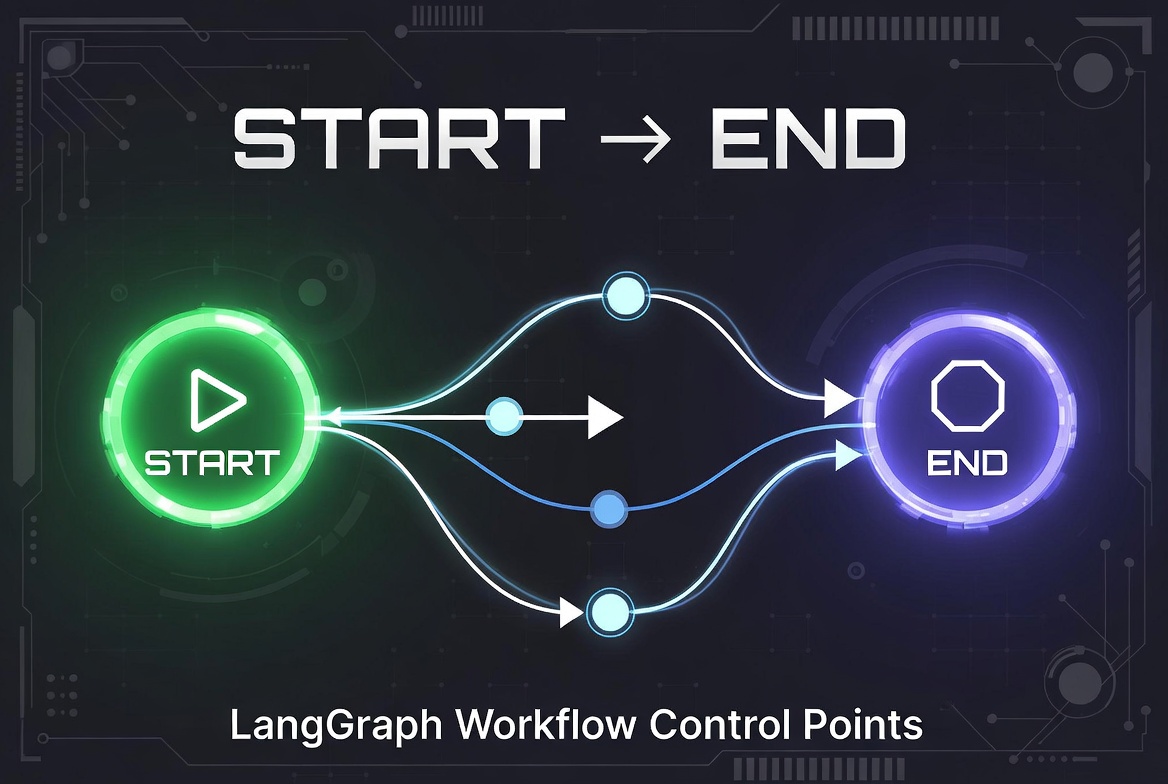
In LangGraph, every graph workflow requires a clearly defined starting point and ending point. LangGraph provides two special built-in markers for this purpose: START …
AI Agents LangGraph
intermediate
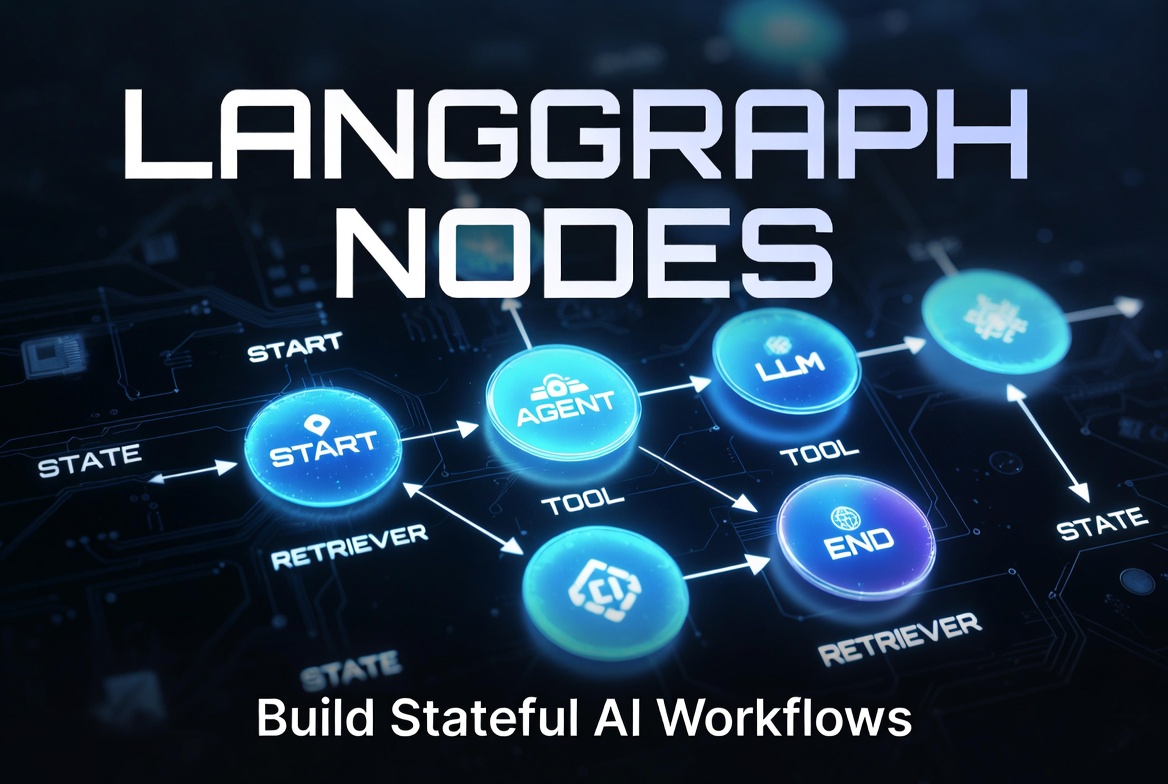
In LangGraph, a node is the fundamental building block of any workflow. It is a reusable unit of logic that receives the current state, …
AI Agents LangGraph
intermediate
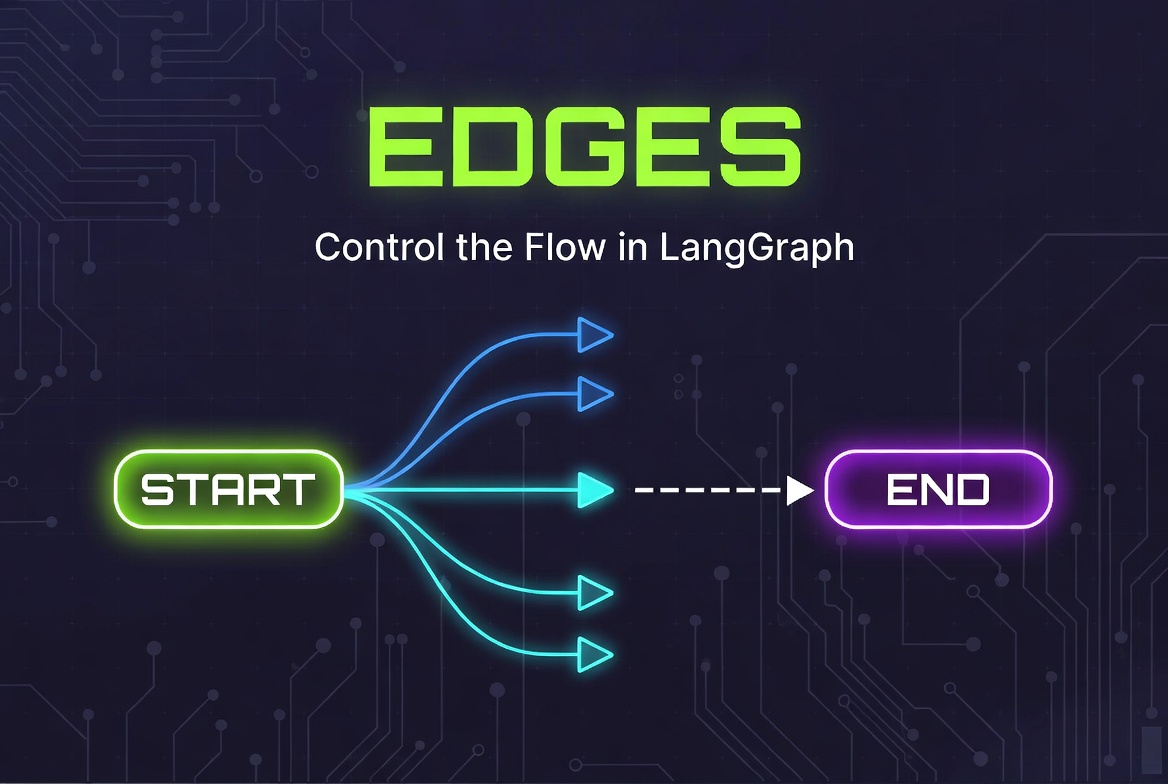
In this topic, we explore edges in LangGraph and understand how they control execution flow between nodes in a graph-based workflow. We discuss why …
AI Agents LangGraph
intermediate
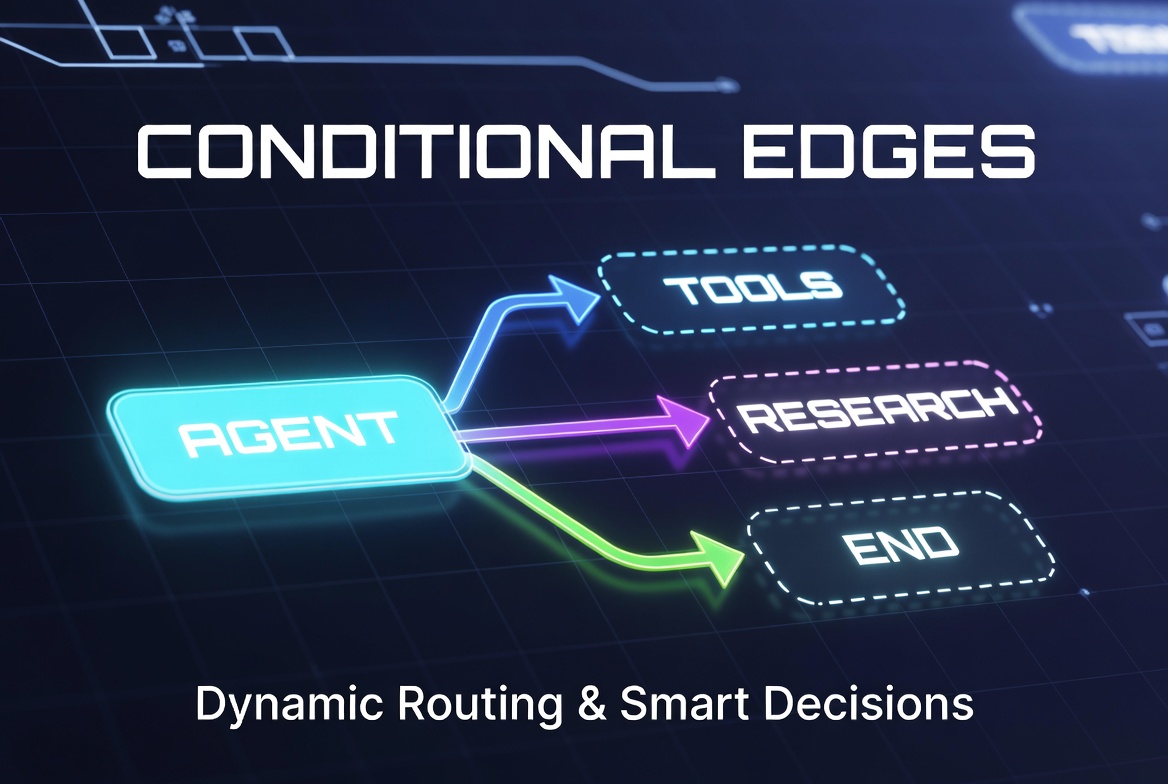
In this topic, we explore conditional edges in LangGraph and understand how they enable dynamic and intelligent workflow execution. We discuss the difference between …
AI Agents LangGraph
intermediate
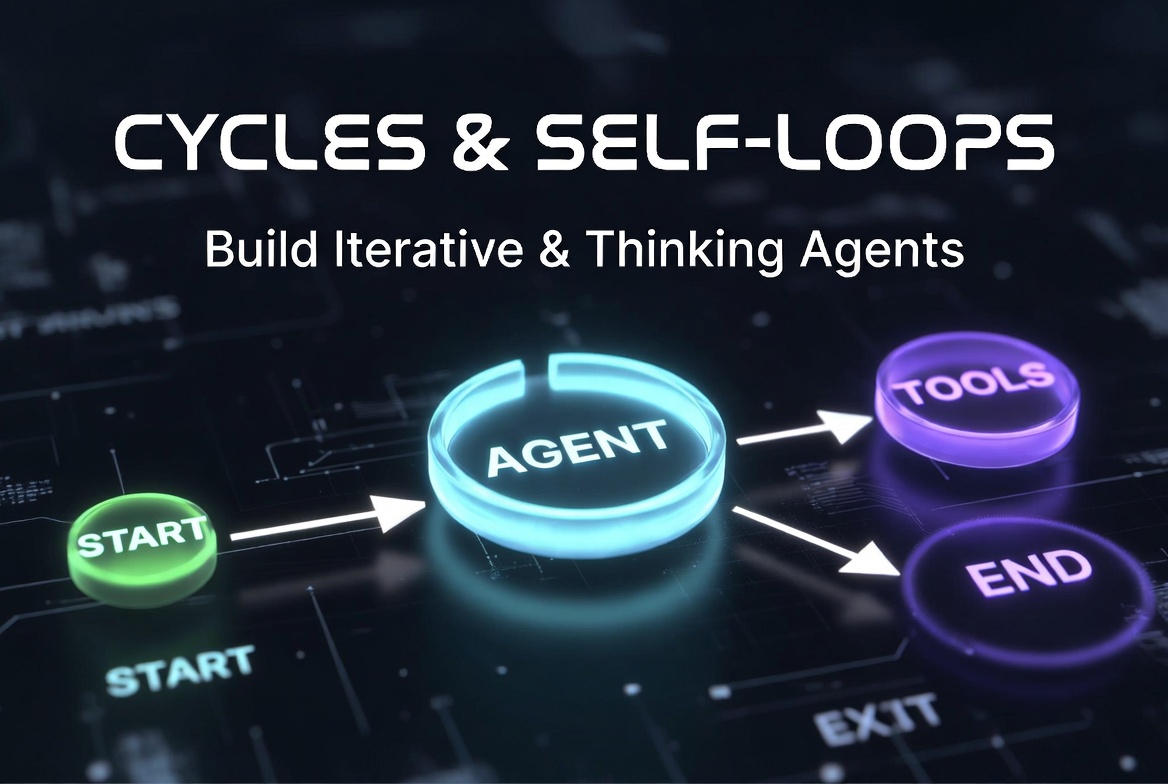
In this topic, we explore cycles and self-loops in LangGraph and understand how they enable iterative, adaptive, and autonomous AI workflows. We discuss the …
AI Agents LangGraph
intermediate
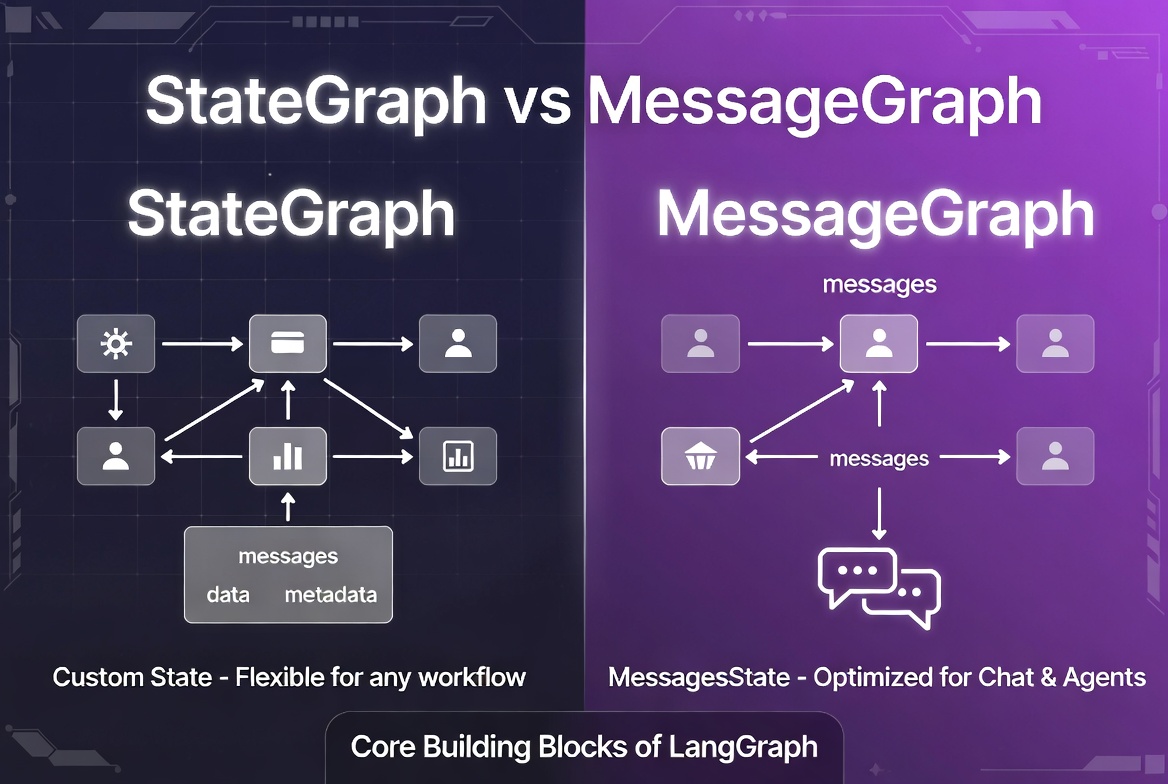
In this topic, we explore the differences between StateGraph and MessageGraph in LangGraph, how each graph type works, and when to use them in …
AI Agents LangGraph
intermediate
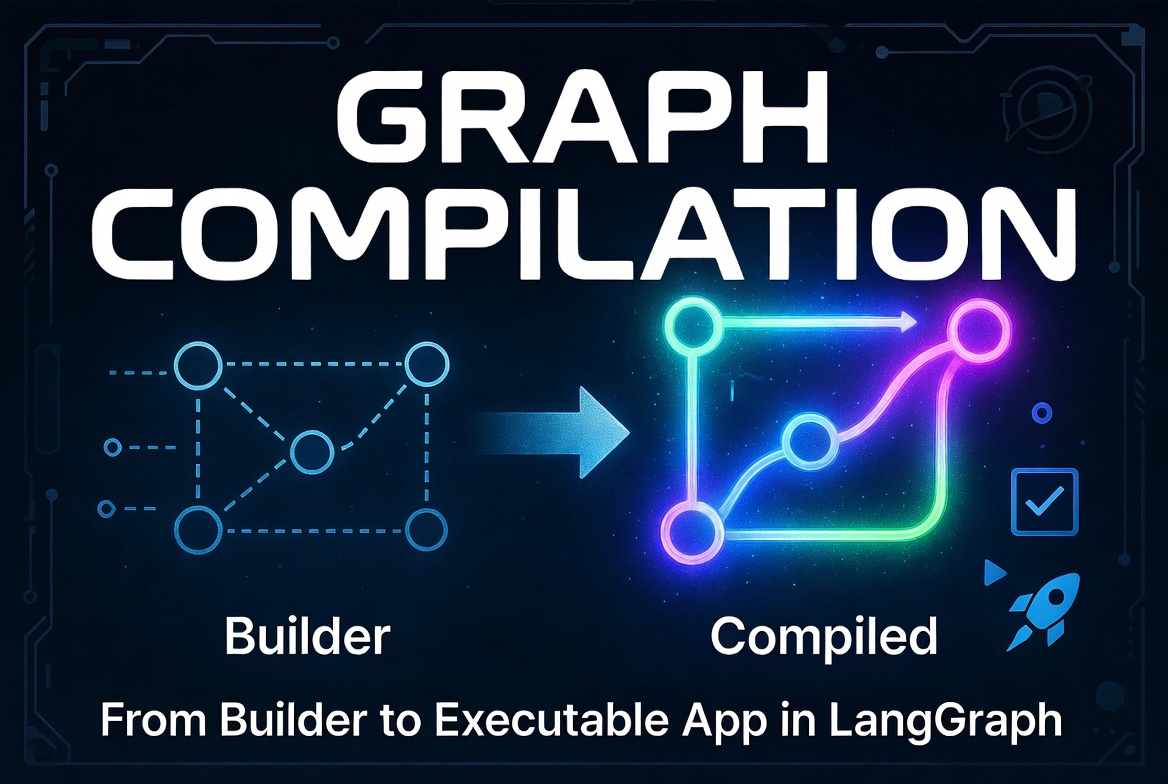
In this topic, we explore graph compilation in LangGraph and understand how a graph is transformed from a builder definition into an executable workflow. …
AI Agents LangGraph
intermediate
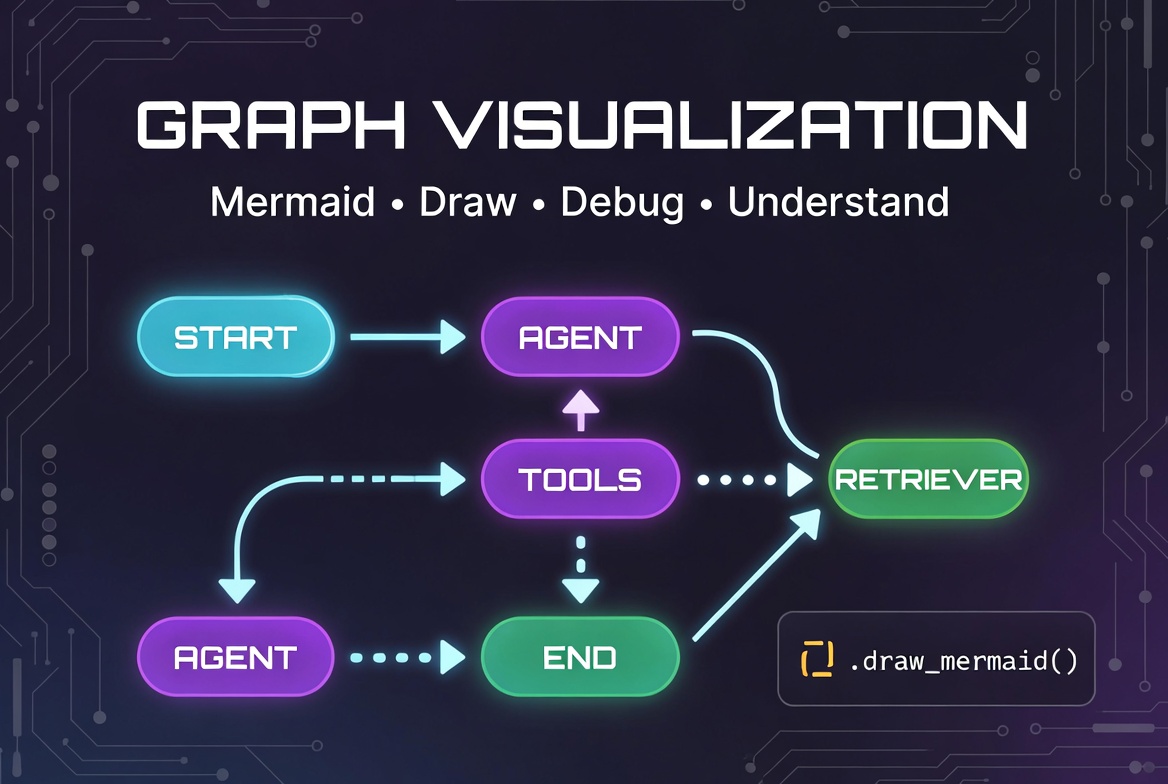
In this topic, we explore graph visualization in LangGraph and learn how to visually inspect workflow structures, execution flows, nodes, edges, cycles, routing logic, …
AI Agents LangGraph
intermediate
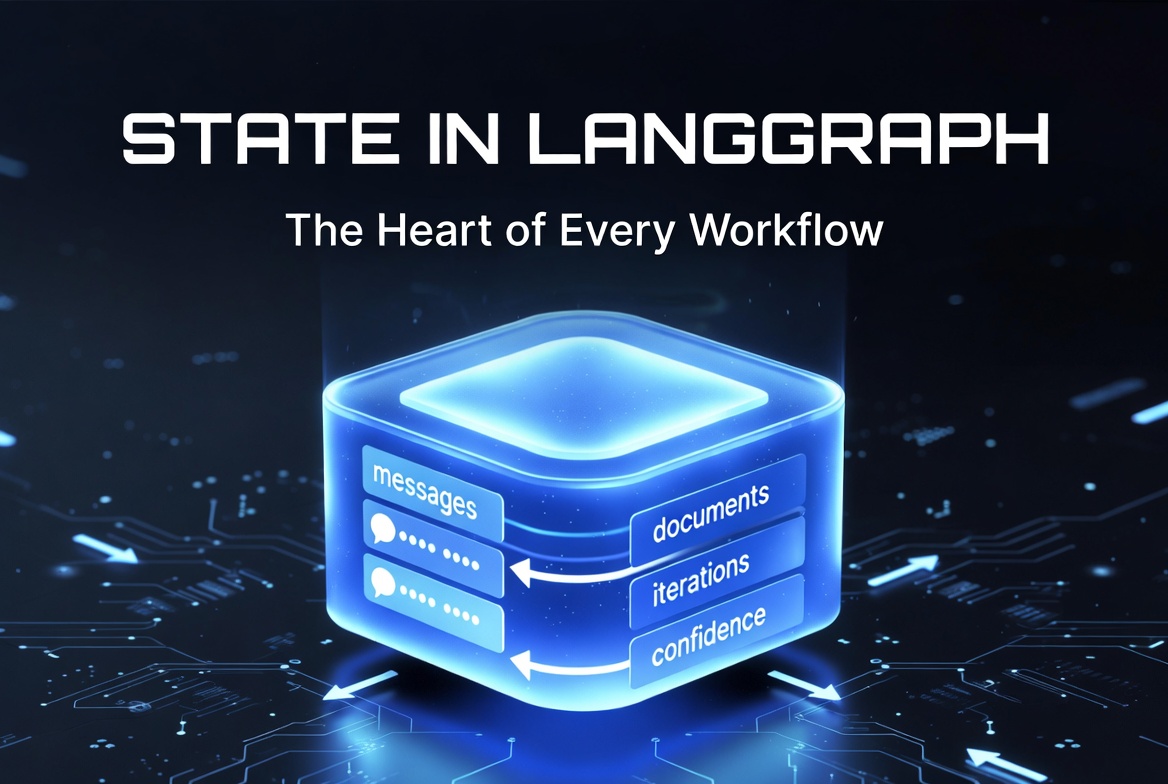
This post explores everything about State in LangGraph, how it works as shared memory between nodes, how data flows through graphs, and how state …
AI Agents LangGraph
intermediate
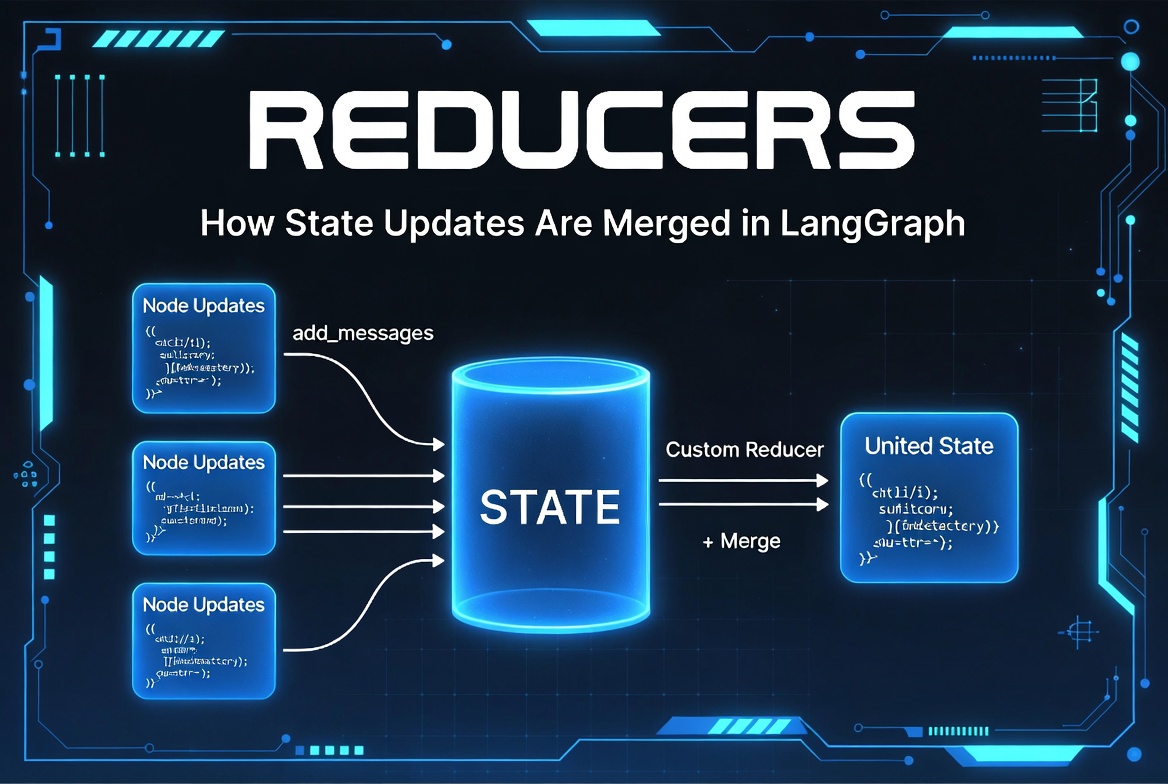
This post covers everything you need to know about Reducers in LangGraph — how they manage and merge state updates across nodes, especially during …
AI Agents LangGraph
intermediate
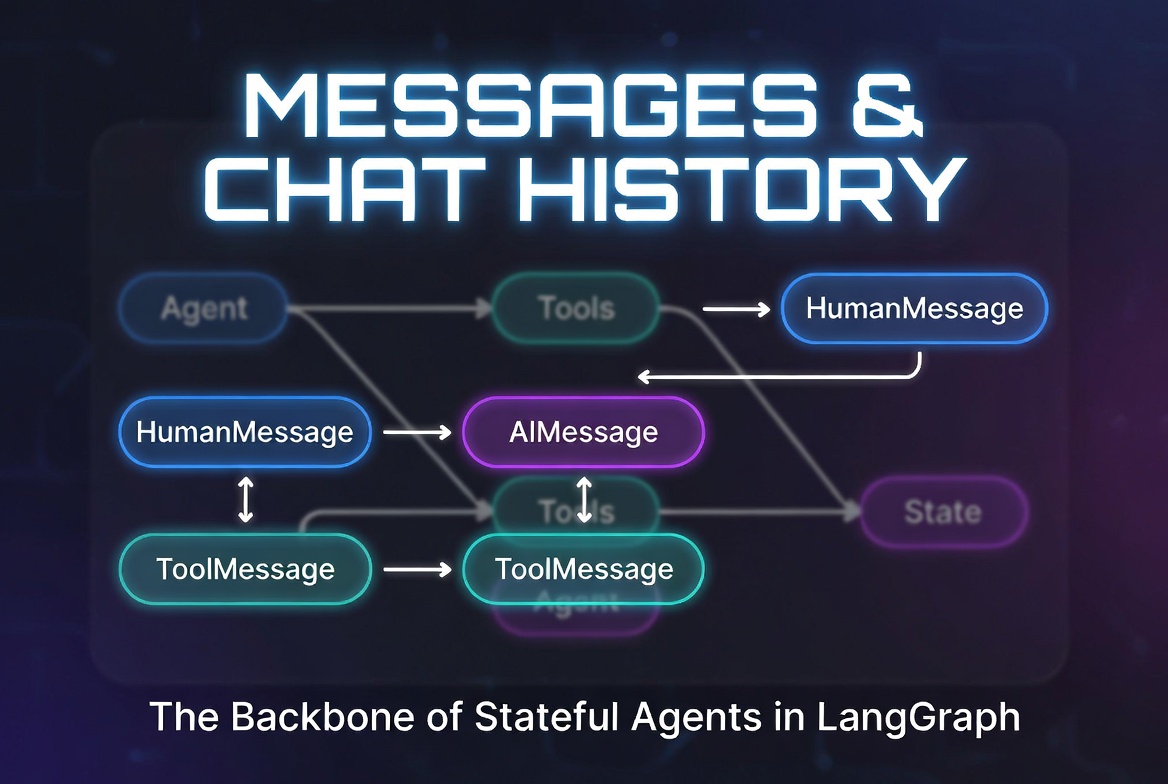
This post explores how messages work in LangGraph , including HumanMessage , AIMessage , SystemMessage , and ToolMessage . We cover storing messages in …
AI Agents LangGraph
intermediate
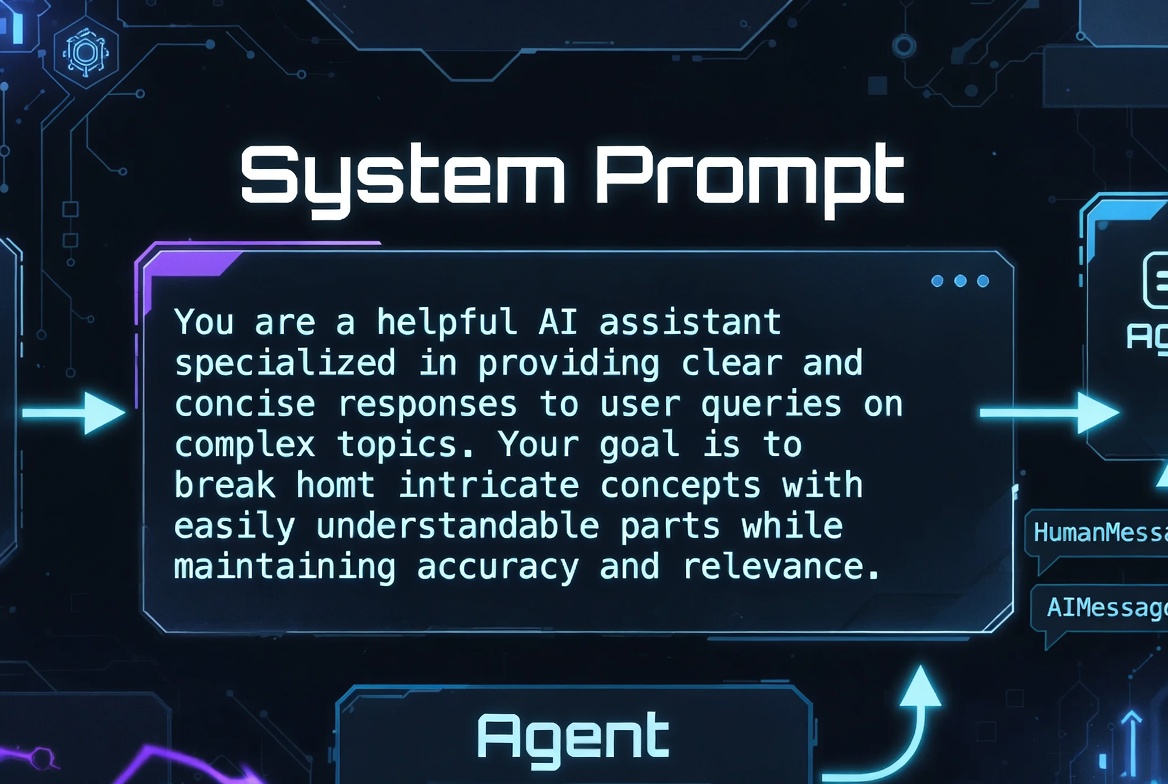
This post covers everything about System Prompts in LangGraph — how they define AI behavior, roles, and instruction hierarchy. We explore persona design, safety …
AI Agents LangGraph
intermediate
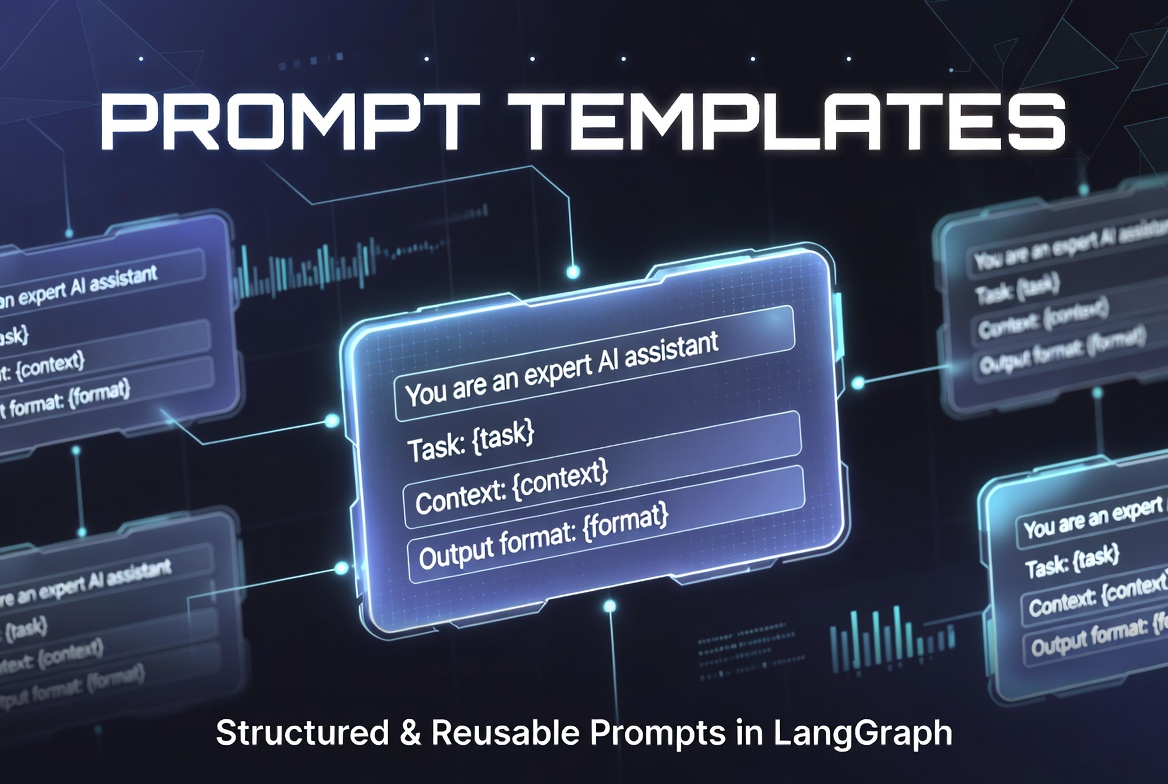
This post explores Prompt Templates in LangGraph and LangChain , including static and dynamic templates, template variables, reusable prompt components, and template composition. We …
AI Agents LangGraph
intermediate
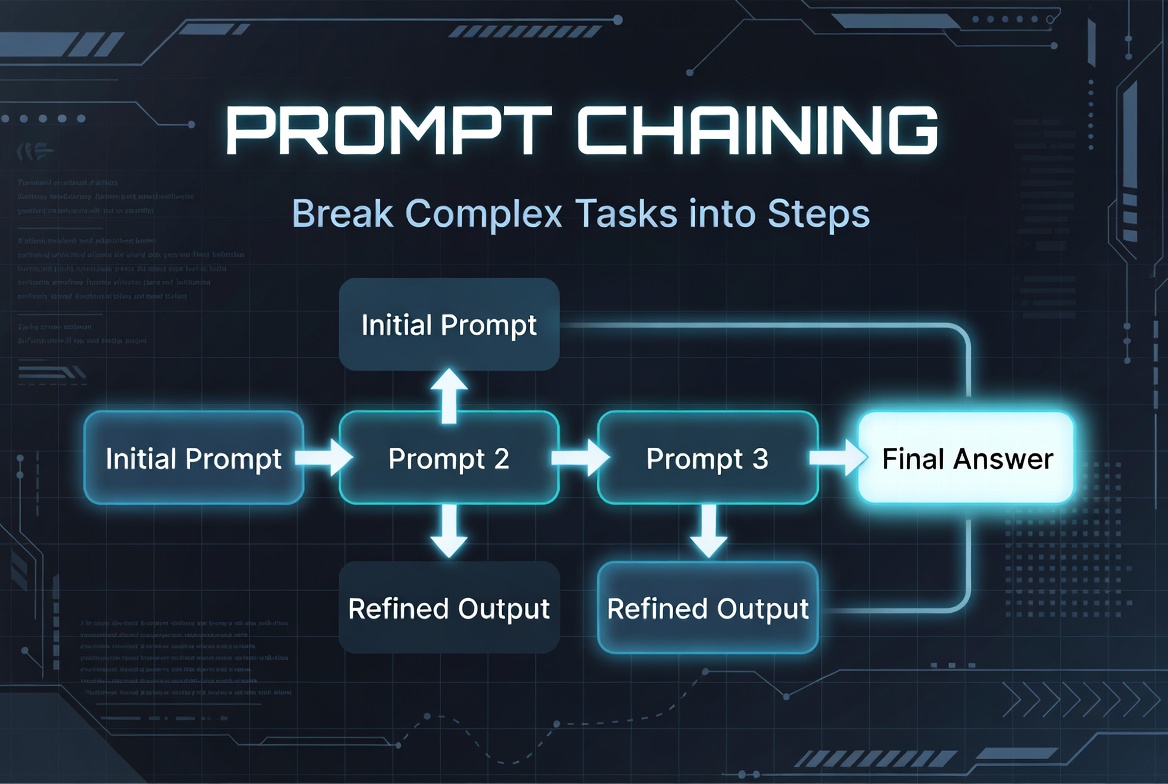
This post covers Prompt Chaining in LangGraph , showing how multiple prompts can work together in sequential workflows and multi-step reasoning pipelines. We explore …
AI Agents LangGraph
intermediate
This post explores Streaming in LangGraph , including real-time state updates, token streaming, node-level streaming, and streaming LLM or tool outputs. We cover stream() …
AI Agents LangGraph
intermediate
This post covers Interrupts in LangGraph , explaining how to pause and resume graph execution for human-in-the-loop workflows. We explore waiting for approvals, maintaining …
AI Agents LangGraph
intermediate
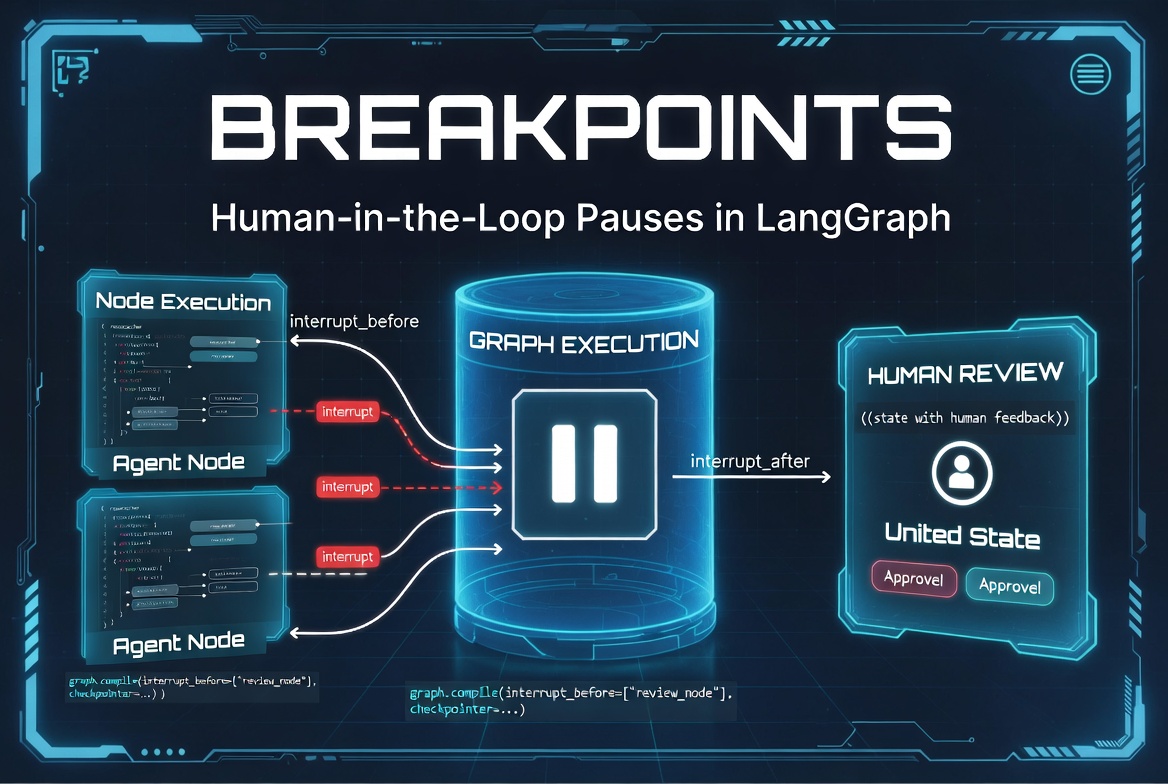
This post explains Breakpoints in LangGraph and how they help debug workflows by pausing execution at specific points. It covers inspecting state at runtime, …
AI Agents LangGraph
intermediate
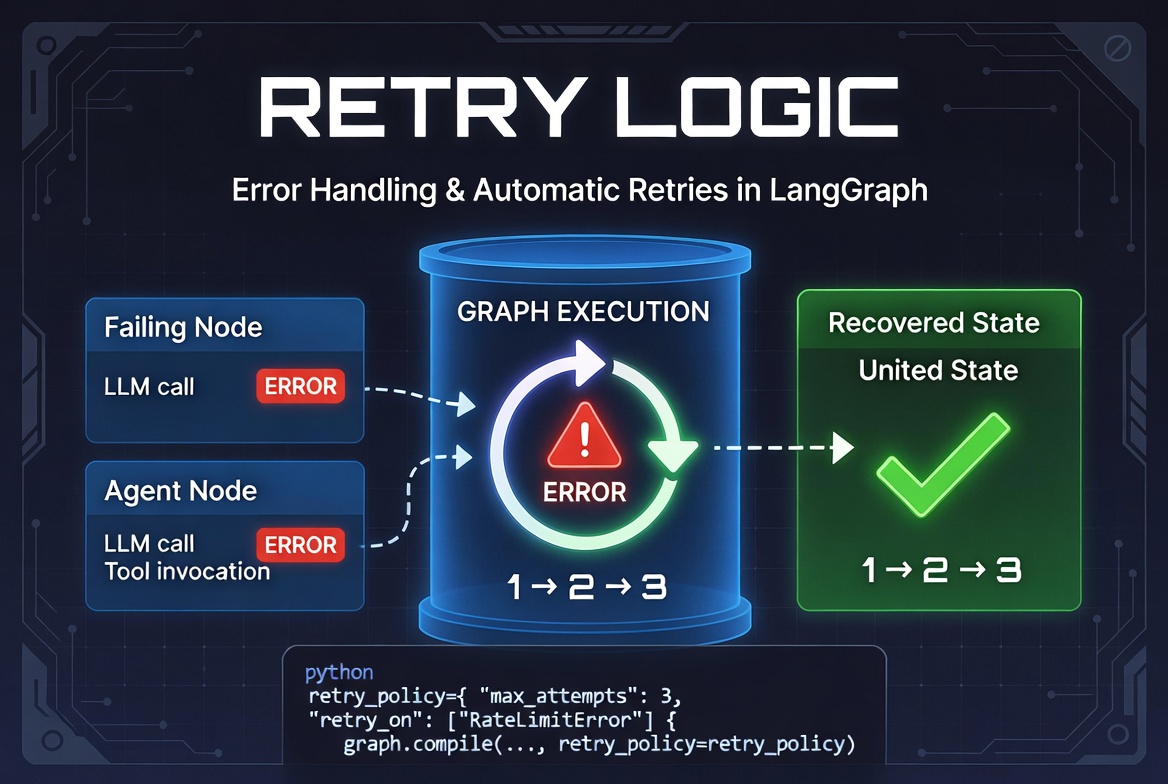
This post covers Retry Logic in LangGraph , explaining how and why retries are used to handle failures in workflows. It includes automatic and …
AI Agents LangGraph
intermediate
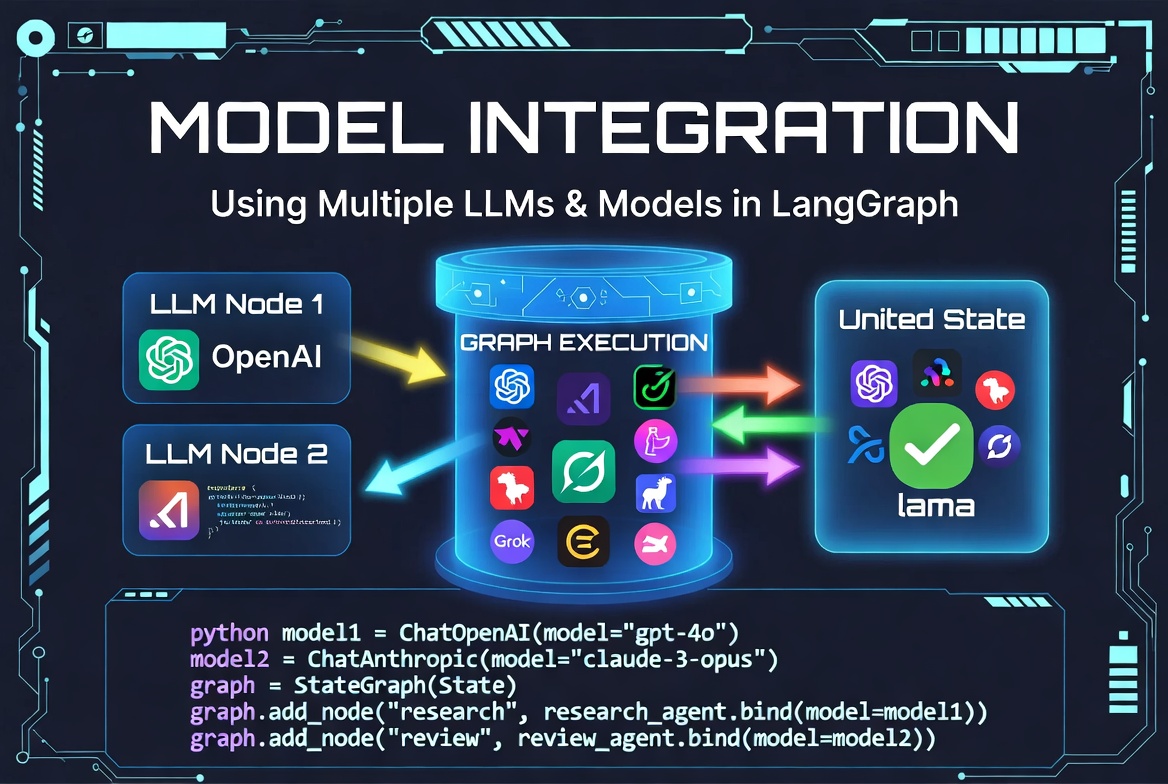
This post covers Model Integration in LangGraph , explaining how LLMs are connected and orchestrated within graph-based workflows. It explores model lifecycle, binding models …
AI Agents LangGraph
intermediate
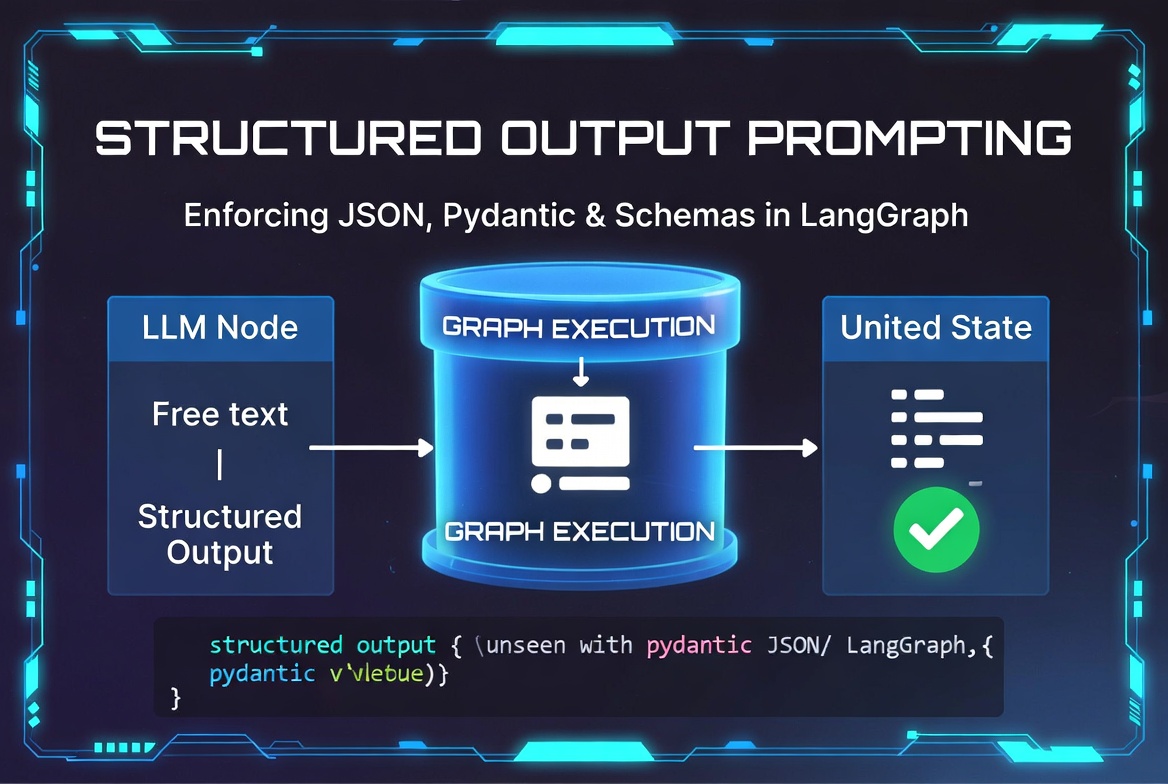
This post covers Structured Output Prompting , focusing on how to make LLMs produce reliable, machine-readable outputs. It includes JSON, schema-guided, and Pydantic-based prompting, …
AI Agents LangGraph
intermediate
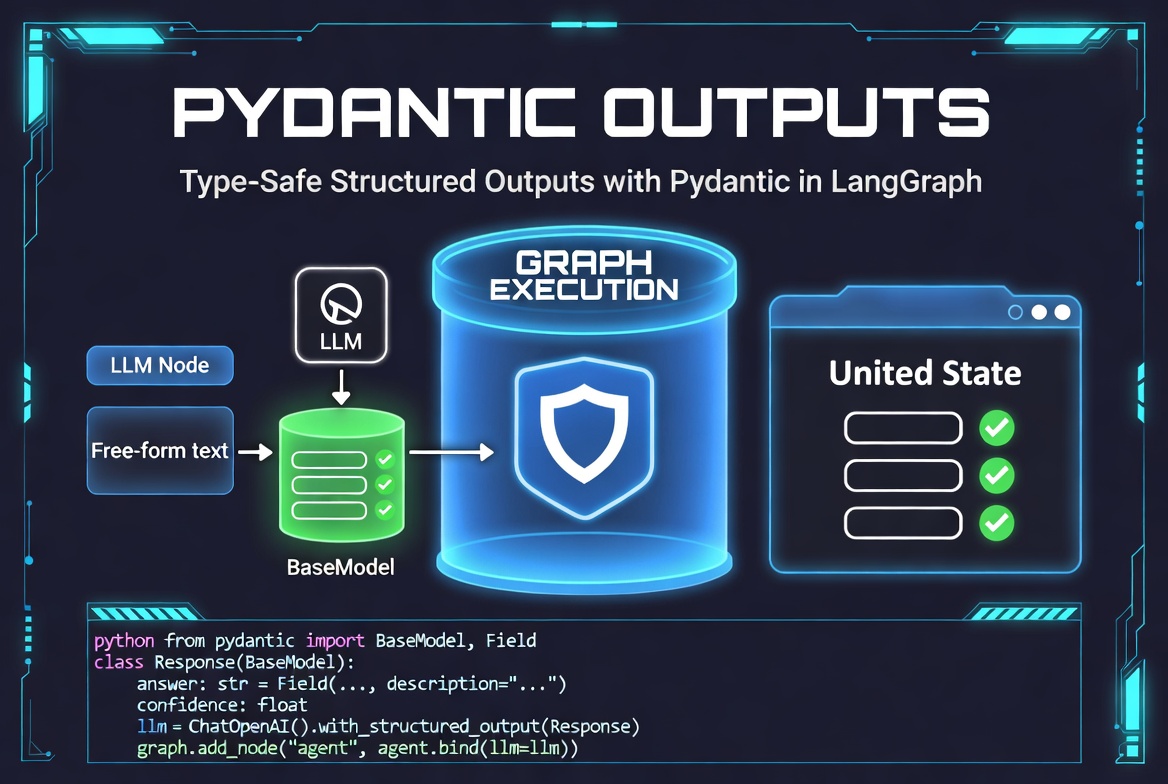
This post explains Pydantic Outputs in LangGraph , focusing on how to enforce structured, type-safe LLM responses using Pydantic models. It covers defining structured …
RAG
intermediate
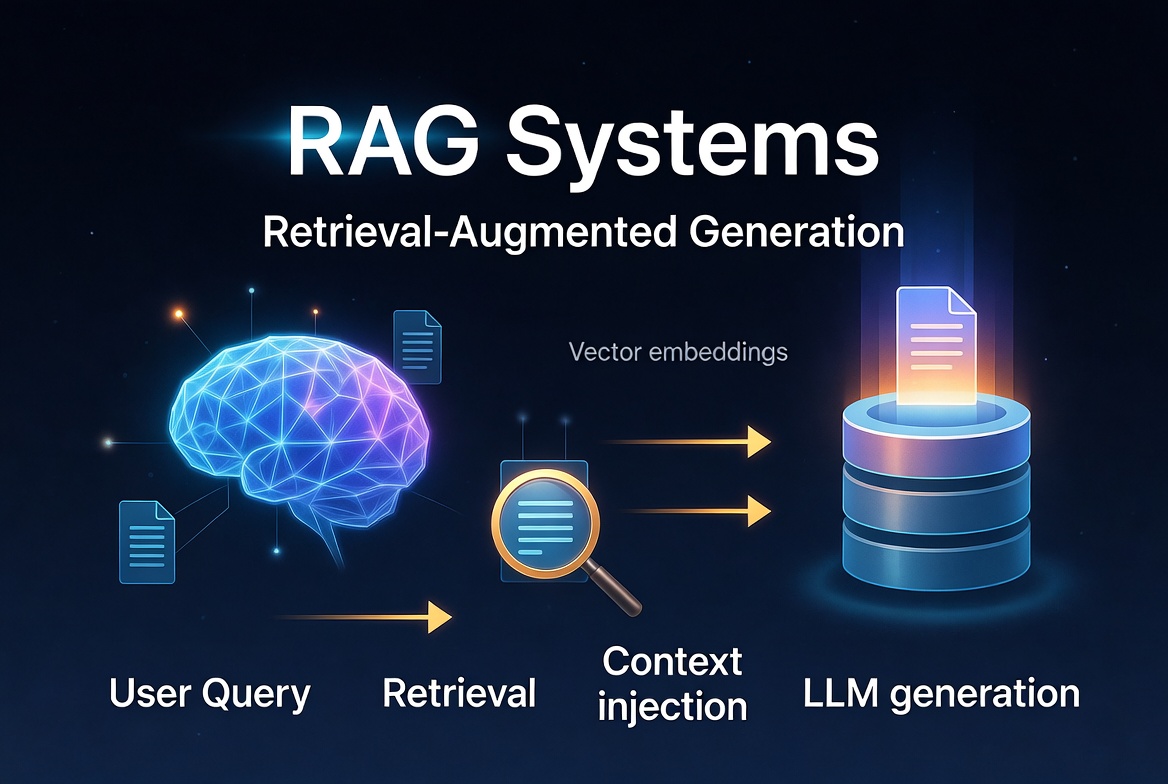
Retrieval-Augmented Generation (RAG) has become the foundation of nearly every production-grade AI application. Instead of relying solely on an LLM’s internal knowledge, RAG dynamically …
RAG
intermediate
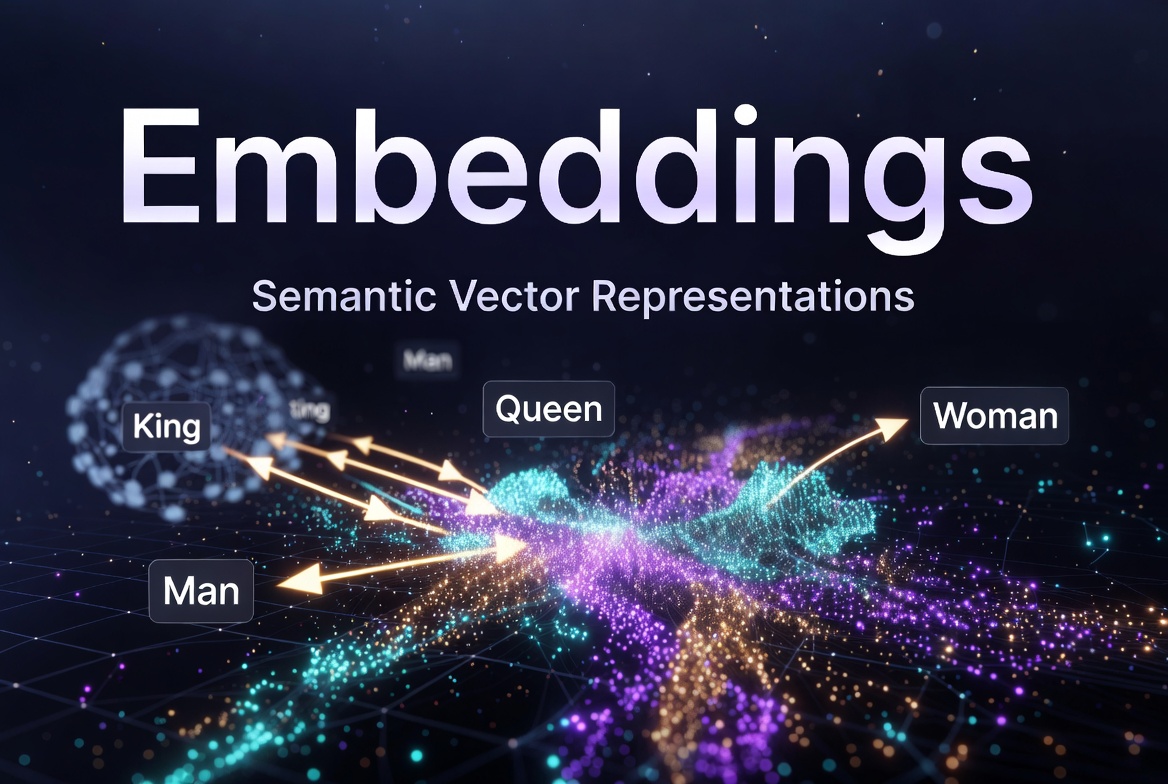
This guide covers embeddings in depth — the foundation of all modern Retrieval-Augmented Generation (RAG) systems and semantic search. You will learn what embeddings …
RAG
intermediate
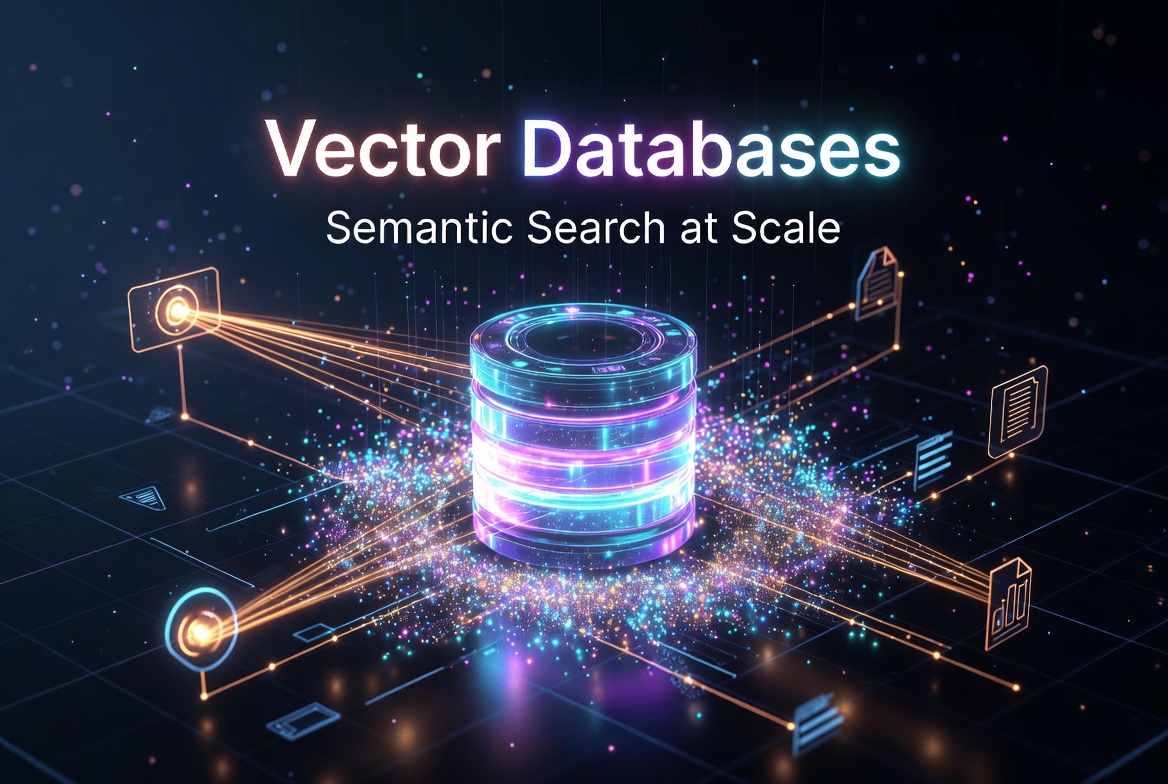
This comprehensive guide dives deep into Vector Databases — the backbone of scalable semantic search and Retrieval-Augmented Generation (RAG) systems. You will learn core …
RAG
intermediate
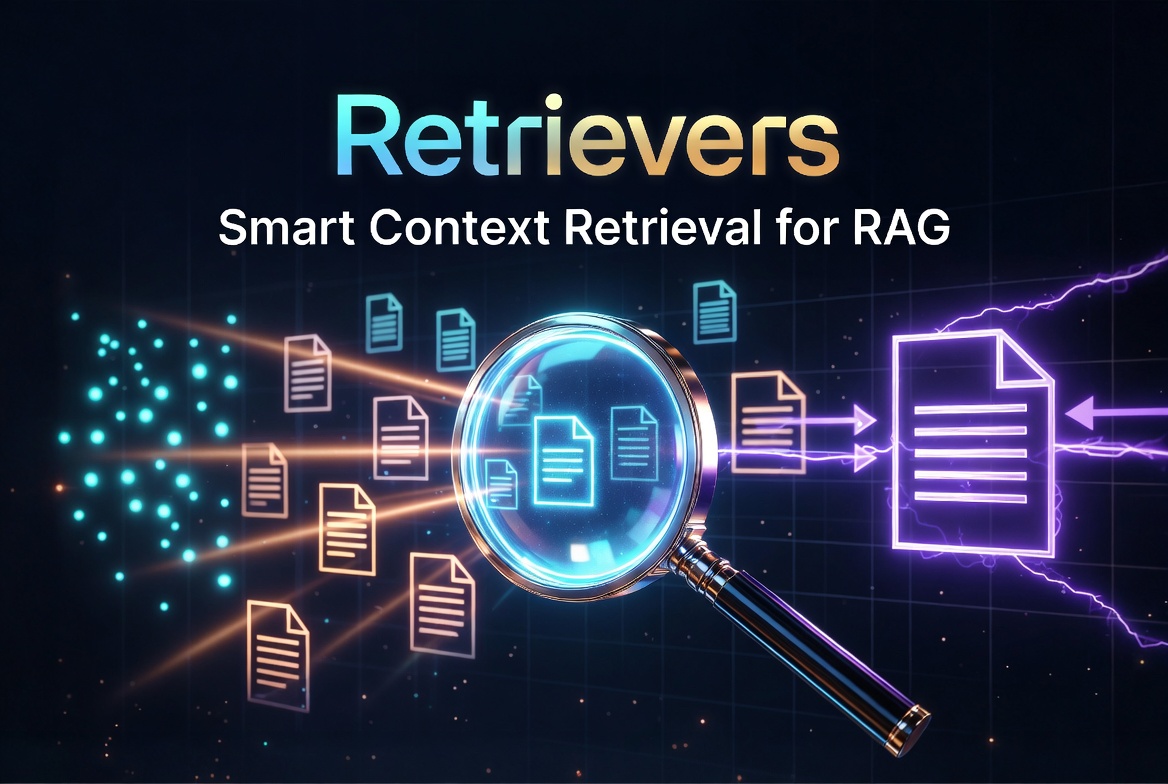
This guide explores Retrievers in depth — the critical component that bridges user queries and relevant context in RAG systems and AI agents. You …
RAG
intermediate
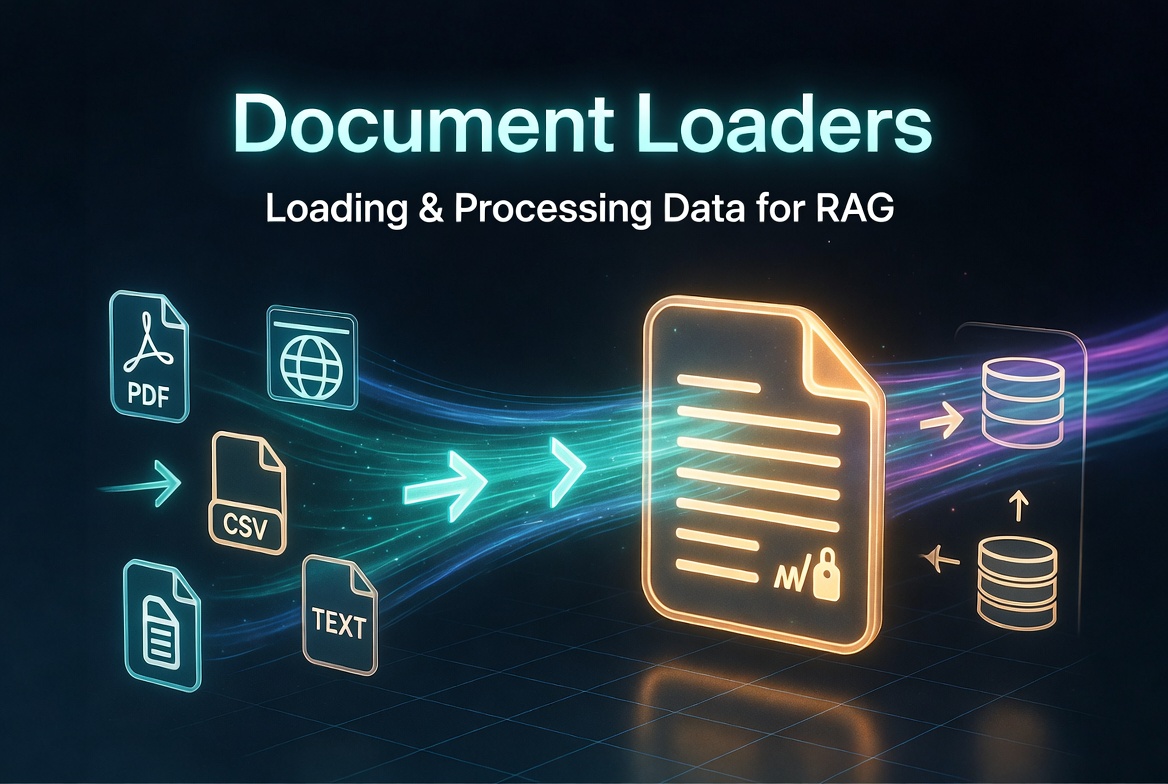
This guide covers Document Loaders comprehensively — the essential first step in any RAG or AI agent system. You will learn how to load …
RAG
advanced
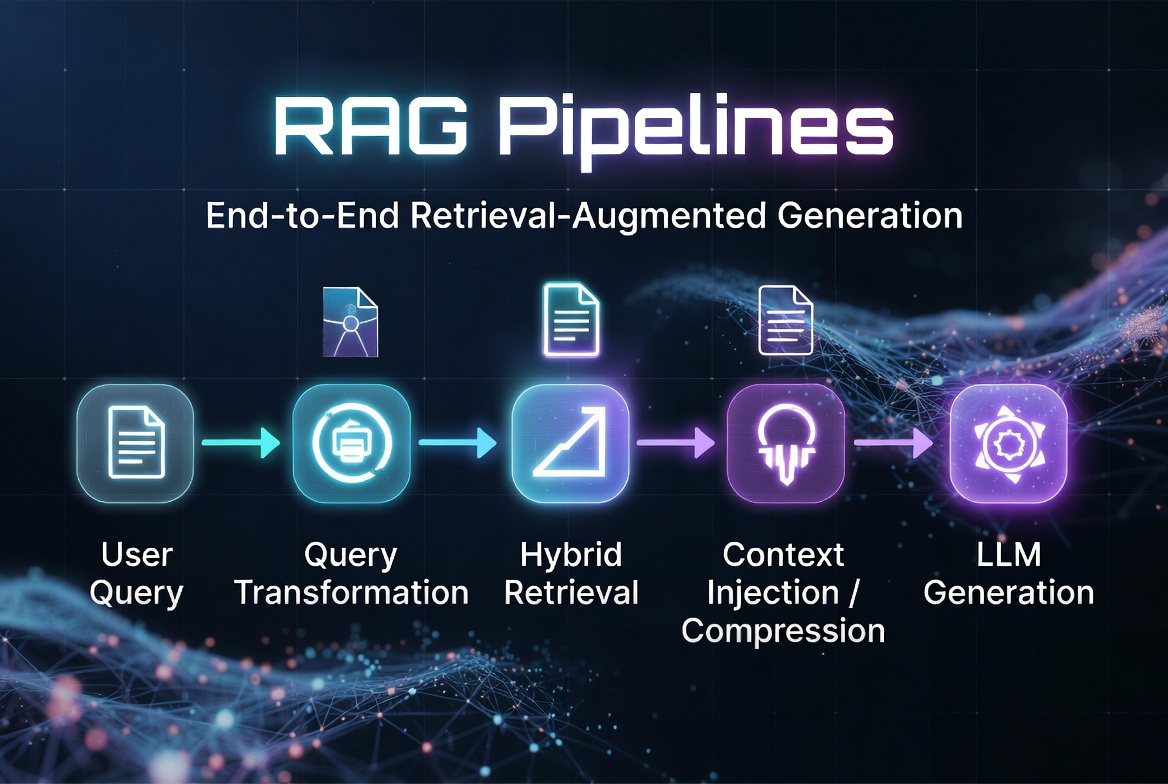
This guide brings everything together into complete RAG Pipelines — from simple query-answer flows to sophisticated agentic, multi-step, and stateful RAG systems using LangGraph. …
RAG
advanced
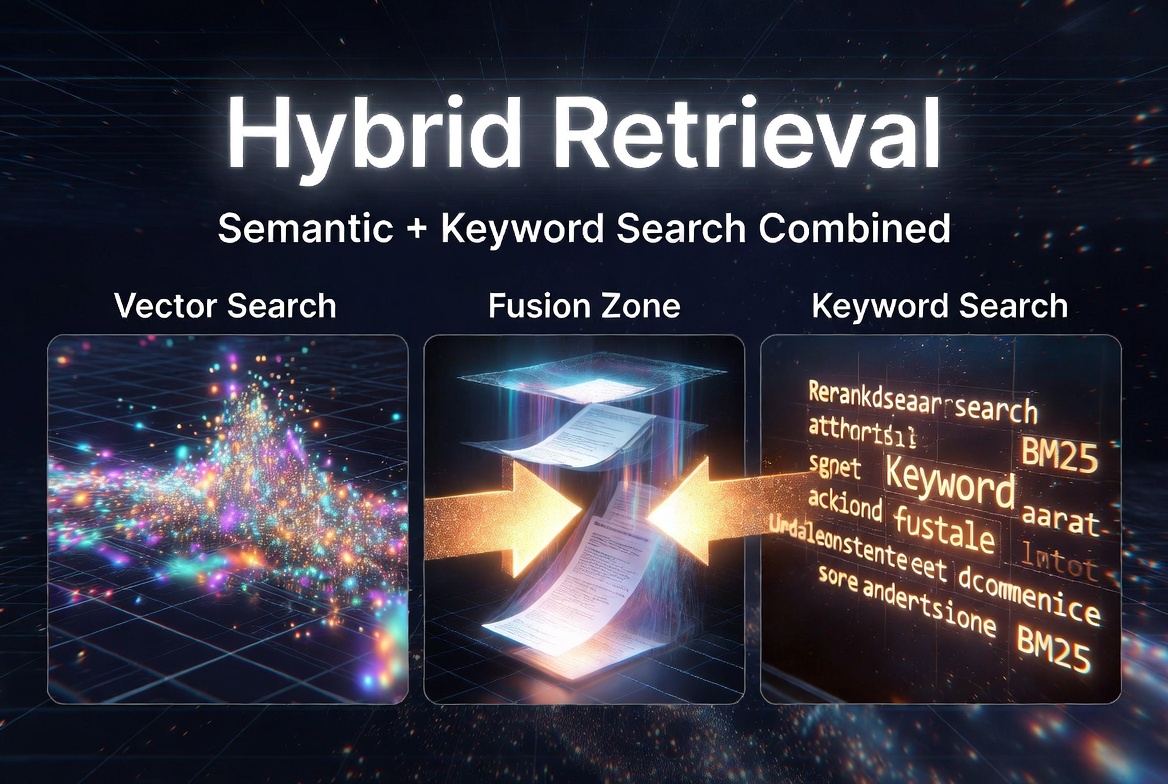
This guide explores Hybrid Retrieval — one of the most effective techniques to dramatically improve RAG performance. You will learn how to combine semantic …